
A growing threat to modern medicine, and one of the top ten global public health threats facing humanity.
Antimicrobial resistance (AMR) is one of the top ten global public health threats facing humanity. It occurs when bacteria and other microbes adapt and become resistant to antibiotics.
As resistance grows, antibiotics become less effective, threatening to unwind nearly a century of medical progress across a wide range of treatments, from complex surgeries and cancer chemotherapy to organ transplantation and neonatal intensive care.
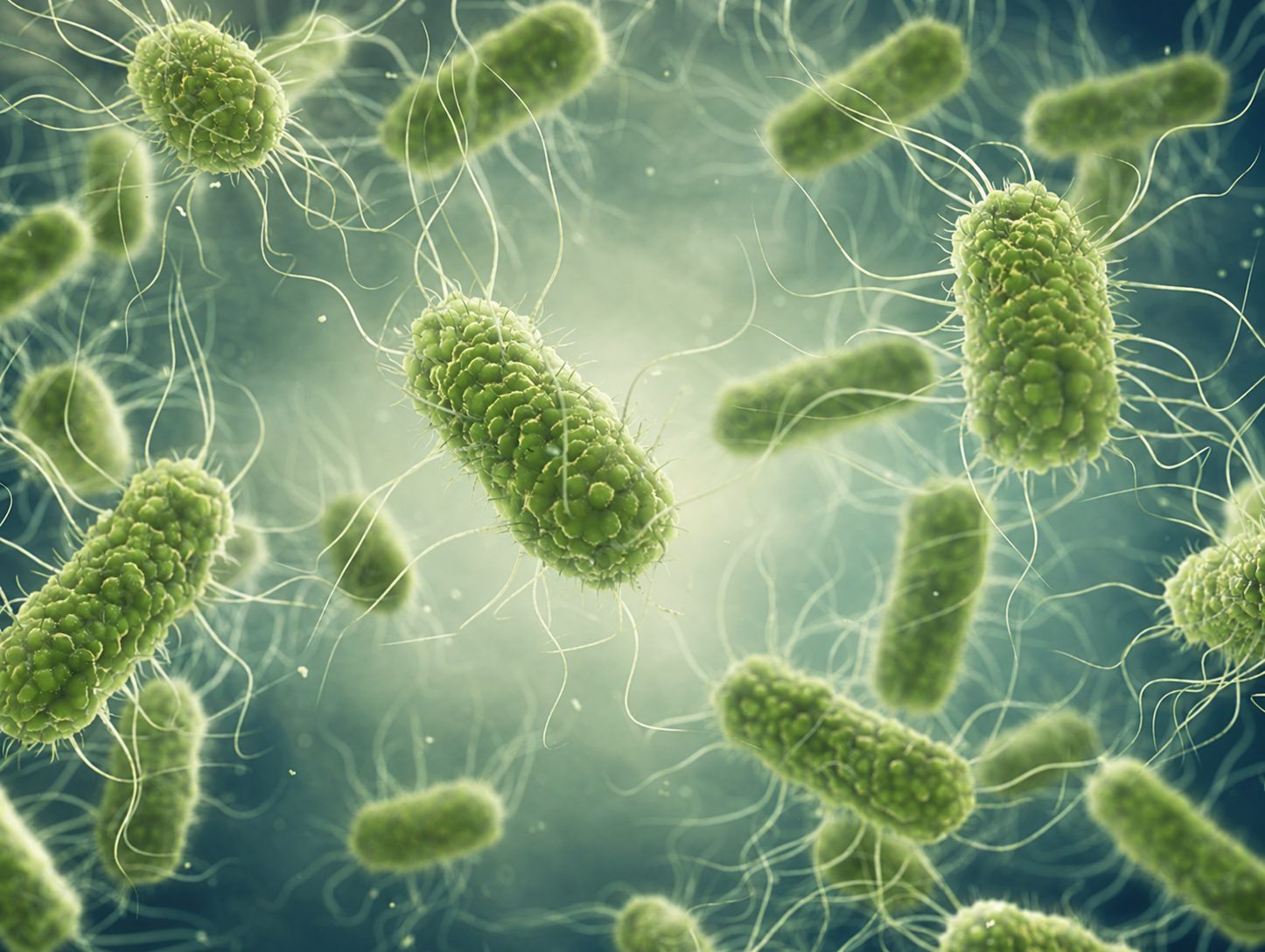
AMR is not a distant, long-term, and abstract threat. It is a pressing reality that should be integrated into public health, humanitarian, and security response.
Continuous anti-infective innovation is imperative to keep pace with evolving pathogens and improve outcomes for patients facing serious infections. Yet the antibiotic development pipeline remains limited, with dwindling treatment options and too few truly novel approaches.
Many candidates are derivatives of existing antibiotic classes, leaving them vulnerable to the same resistance mechanisms and shortening their useful clinical life. As a result, new classes of antibiotics and differentiated anti-infective therapies are urgently needed to address difficult-to-treat infections.